
Japan blew us away. If you’re the type of traveler who loves long days, lots of walking, and packing in as much as possible, this itinerary is for you. My wife and I covered everything from peaceful temples at dawn to bustling city streets, scenic countryside drives, and sobering historical sites.
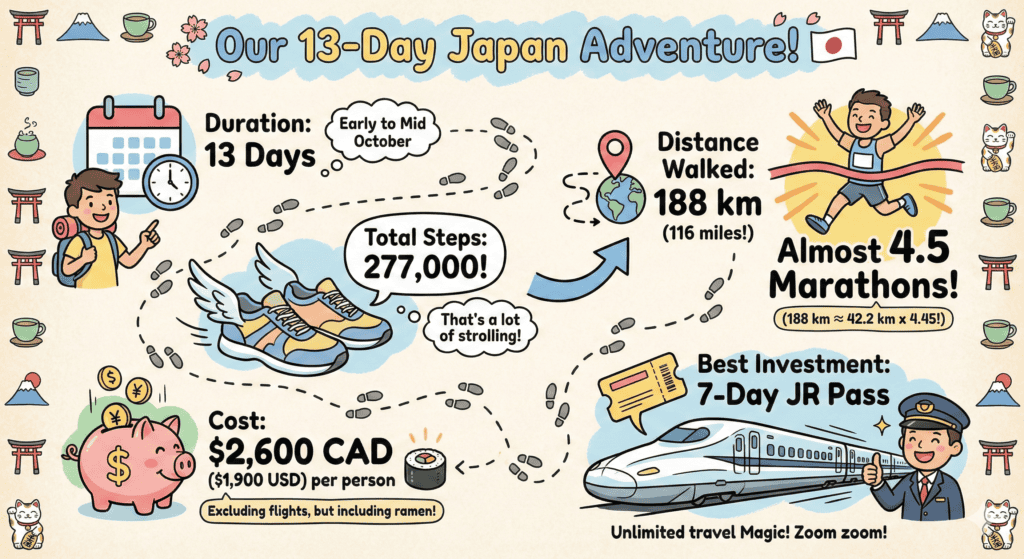
Let’s be real—there’s no such thing as a “perfect” Japan itinerary unless you’re staying for months. The country has too much to offer. This was our take on maximizing 13 days, and it worked brilliantly for us. This wasn’t a relaxing vacation—it was an exploration trip. We walked an average of 14.4 km (8.9 miles) every single day and loved every minute of it.
Whether you follow our exact route or cherry-pick a few ideas, this guide will help you plan an unforgettable trip to Japan.
- Why This Itinerary Works
- Day 1: Arrival in Tokyo – Asakusa After Dark
- Day 2: Early Morning Ueno & TeamLab Planets
- Day 3: Tokyo Marathon Day
- Day 4: Day Trip to Nikko
- Day 5: Day Trip to Kawaguchiko (Mt. Fuji Views)
- Day 6: Shinkansen to Kanazawa
- Day 7: Road Trip to Shirakawa-go & Ainokura
- Day 8: Kyoto, Nara & Uji in One Day
- Day 9: Fushimi Inari, Himeji Castle & Gion
- Day 10: Arashiyama & Luggage Forwarding
- Day 11: Hiroshima & Miyajima Island
- Day 12: Kamakura & Enoshima
- Day 13: Last-Minute Shopping & Departure
- Should You Follow This Itinerary?
- Final Thoughts
Why This Itinerary Works
This route hits all the major highlights—Tokyo, Kyoto, Hiroshima—plus some amazing day trips like Nikko, Kawaguchiko, and the UNESCO World Heritage village of Shirakawa-go. We designed it for active travelers who don’t mind early starts and want to maximize their time without feeling rushed.
The best part? The 7-day JR Pass made everything seamless and saved us money. We used it for Shinkansen rides, local JR trains, and even sent our luggage ahead to the airport using Yamato Transport.
Day 1: Arrival in Tokyo – Asakusa After Dark
Highlights: Narita Airport -> Asakusa -> Senso-ji Temple at night
We landed at Narita Airport in the afternoon and immediately got our Welcome Suica card and 7-day JR Pass. The Access Express took us straight to Asakusa, where we’d be staying for the next five nights.
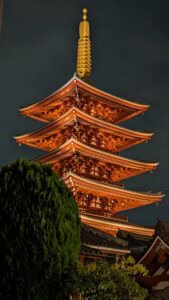
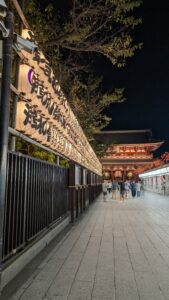
After checking into our hotel around 8 pm, we couldn’t resist heading straight to Senso-ji Temple. Visiting at night was magical—the crowds were gone, and we had the peaceful temple grounds almost to ourselves. The lanterns cast a warm glow, and we got some beautiful night shots before saying a quiet prayer.
Pro Tip: If you can, visit popular temples early morning or late evening to avoid the crowds.
Day 2: Early Morning Ueno & TeamLab Planets
Highlights: Ueno Park -> Kappabashi Street -> Senso-ji (daytime) -> TeamLab Planets
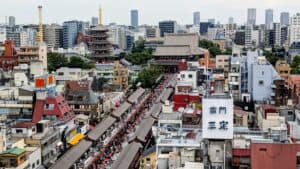
We started our first full day at 6 am in Ueno Park. The morning calm was worth the early wake-up—joggers, tai chi practitioners, and peaceful pathways made for a serene start. We walked through the park, soaking in the atmosphere before heading back toward Senso-ji via Kappabashi Street (Tokyo’s famous kitchenware district).
I couldn’t resist buying a Japanese knife—something we have been wanting for years. Seeing Senso-ji in daylight was a completely different experience, with all the shops open and crowds flowing through.
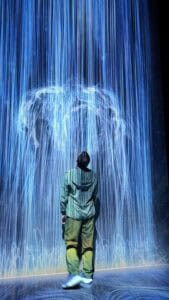
Jetlag hit us hard, so we headed back for a power nap. By late afternoon, we were recharged and ready for TeamLab Planets. If you haven’t heard of it, it’s an immersive digital art museum where you walk through water, interact with projections, and feel like you’ve entered another dimension. It was the perfect way to ease into the Tokyo vibe.


Day 3: Tokyo Marathon Day
Highlights: Shibuya -> Meiji Jingu -> Yoyogi Park -> Takeshita Street -> Cat Street -> Tokyo Metropolitan Building -> Shinjuku Gyoen Garden -> Odaiba
This was our longest Tokyo day. We hit all the major spots:
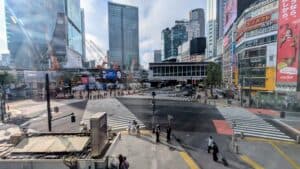
- Shibuya Crossing – We crossed it at least three times just for fun.
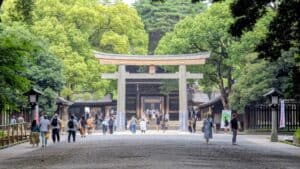
- Meiji Jingu Shrine – A peaceful escape from the urban chaos.
- Yoyogi Park – Saw lots of runners enjoying the paths.
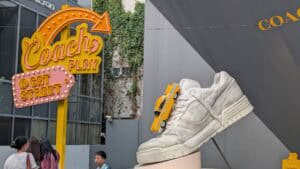
- Takeshita Street – Colorful, chaotic, and full of crepes and quirky shops.
- Cat Street – More chill than Takeshita, with cool boutiques.
- Tokyo Metropolitan Building – Free observation deck with panoramic city views.
- Shinjuku Gyoen Garden – A beautiful, sprawling garden perfect for a breather.
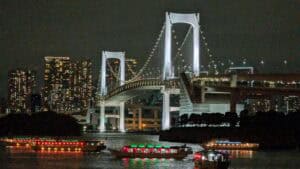
- Odaiba – We ended the day watching the Rainbow Bridge light up by the water.
After all that city energy, sitting by the river in Odaiba felt like the perfect way to decompress.
Day 4: Day Trip to Nikko
Highlights: Revaty Kegon train -> Toshogu Shrine -> Lake Chuzenji -> Kegon Falls -> Akechidaira Ropeway
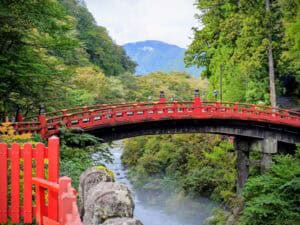
We caught the Revaty Kegon train at 6:30 am from Asakusa for our day trip to Nikko, a UNESCO World Heritage site about two hours from Tokyo. The ornate Toshogu Shrine was stunning—gold leaf everywhere and intricate carvings that took our breath away.
After exploring the shrine area, we hopped on a bus to Lake Chuzenji and visited Kegon Falls, one of Japan’s most famous waterfalls. We also took the Akechidaira Ropeway up to the observation deck. The ropeway itself is overpriced and honestly nothing special, but the panoramic view from the top is absolutely epic—you get to see both Kegon Falls and Lake Chuzenji from above. The fall colors were just starting to show, and the scenery was incredible.
We left Nikko around 5:30 pm and were back in Asakusa by evening.
Pro Tip: If you’re only visiting the World Heritage area around Toshogu Shrine, skip the Tobu Nikko Pass—you won’t save money. But if you’re heading up to Kegon Falls and Lake Chuzenji like we did, the pass barely breaks even, so it might be worth the convenience of not buying individual tickets.
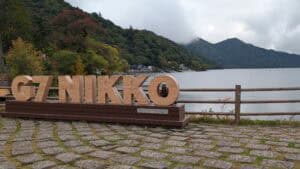
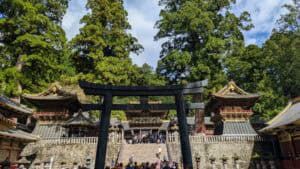
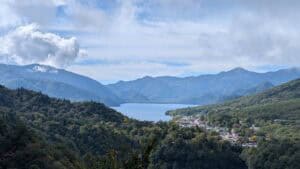
Day 5: Day Trip to Kawaguchiko (Mt. Fuji Views)
Highlights: Oishi Park -> Lake Kawaguchiko
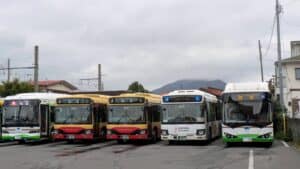
This was supposed to be our Mt. Fuji day, but Mother Nature had other plans. It rained, and the mountain stayed hidden behind clouds. Still, we made the most of it by visiting Oishi Park on the northern shore of Lake Kawaguchiko and waiting (in vain) for Fuji to show itself.
We skipped the Chureito Pagoda since it requires climbing 400 steps—not ideal in the rain. This ended up being our shortest day, but sometimes that’s okay.
Weather Reality Check: Mt. Fuji is notoriously shy. Check the weather forecast and have a backup plan. Even if you don’t see the mountain, the area is still beautiful.

Day 6: Shinkansen to Kanazawa
Highlights: Kenroku-en Garden -> Kanazawa Castle -> Samurai District -> Higashi Chaya
Our 7-day JR Pass kicked in today, and we took the morning Shinkansen to Kanazawa. This city felt like stepping back in time.
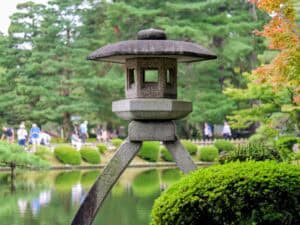
- Kenroku-en Garden – One of Japan’s top three gardens, and it lived up to the hype.
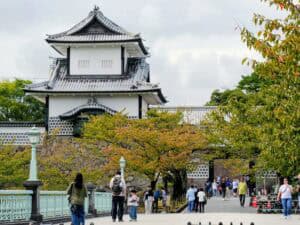
- Kanazawa Castle – Beautifully restored and great for history buffs.
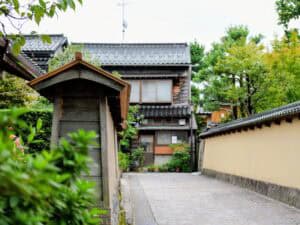
- Nagamachi Samurai District – Wandering through these preserved streets felt surreal.
- Higashi Chaya District – We arrived late, and most shops were closed by 5 pm. It was a ghost town, but the traditional wooden buildings were still gorgeous.
Pro Tip: Get to Higashi Chaya earlier in the day if you want to explore the tea houses and shops.
Day 7: Road Trip to Shirakawa-go & Ainokura
Highlights: Rented car -> Shirakawa-go -> Ainokura
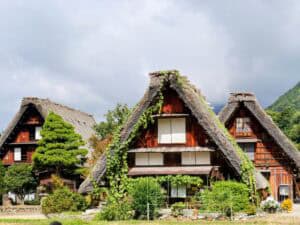
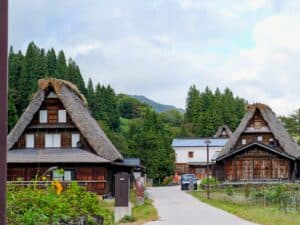
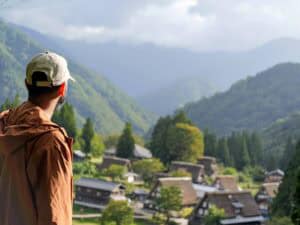
This was hands-down one of the best days of the trip. We rented a car and drove to Shirakawa-go, a UNESCO World Heritage village famous for its gassho-zukuri farmhouses (thatched-roof houses).
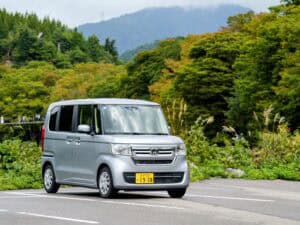
We took the non-highway scenic route to avoid tolls, and the drive was stunning—mountains, rivers, and tiny villages. Shirakawa-go itself was beautiful but touristy. On the way back, we stopped at Ainokura, a smaller, quieter village that felt more authentic.
Having a car gave us the freedom to explore at our own pace, and we highly recommend it if you’re comfortable driving in Japan.
Day 8: Kyoto, Nara & Uji in One Day
Highlights: Shinkansen to Kyoto -> Nara (Todai-ji Temple, deer park) -> Uji (Byodo-in Temple, matcha shopping) -> To-ji Temple at night
Another packed day. We took the early morning Shinkansen from Kanazawa to Tsuruga, then had a quick and easy transfer to the Thunderbird train to Kyoto. Good news for travelers with luggage: despite what you might read on Reddit, the Thunderbird has spacious top racks that easily fit our medium-sized suitcase—just like the Shinkansen.
At Kyoto Station, we stored our big luggage in coin lockers and took a train to Nara for the day.
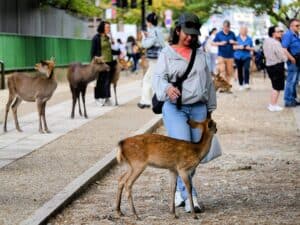
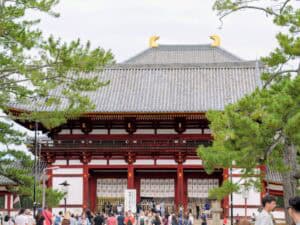
Nara was delightful—deer bowing for crackers, the massive Buddha at Todai-ji Temple, and plenty of photo ops. We grabbed ice cream and soaked in the park atmosphere.
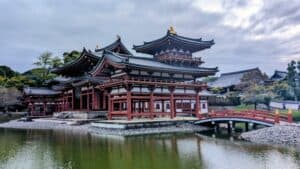
On the way back, we stopped in Uji, the birthplace of matcha. We strolled along the river, visited Byodo-in Temple (it’s on the 10-yen coin!), and did some matcha shopping.
Back in Kyoto by 6 pm, we checked into our hotel and walked to To-ji Temple. The five-story pagoda lit up at night was breathtaking.
Day 9: Fushimi Inari, Himeji Castle & Gion
Highlights: Fushimi Inari Shrine -> Himeji Castle -> Gion District -> Pontocho Alley
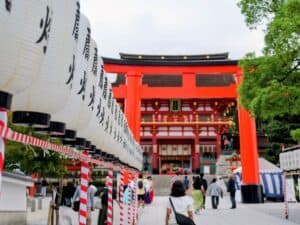
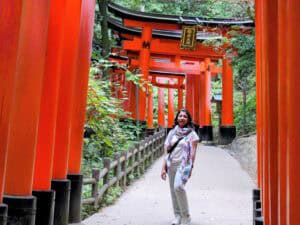
We started at Fushimi Inari Shrine at sunrise and hiked all the way to the summit of Mt. Inari. The famous red torii gates are iconic, and the crowds thin out significantly after the first viewpoint. The hike took about 2-3 hours round trip, and the views were worth every step.
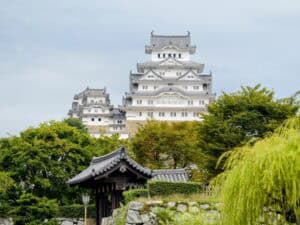
Back at Kyoto Station, we decided to hop on the Shinkansen to Himeji to see the famous castle. Sadly, tickets to go inside were sold out, but even viewing it from the outside was impressive.
We returned to Kyoto in the afternoon and spent the evening in the Gion District, visiting Yasaka Shrine and wandering through Pontocho Alley. The alley was packed, so we ended up at a Mexican restaurant for burritos—surprisingly delicious!
Day 10: Arashiyama & Luggage Forwarding
Highlights: Arashiyama Bamboo Grove -> Adashino Nenbutsu-ji Temple -> Yamato luggage forwarding
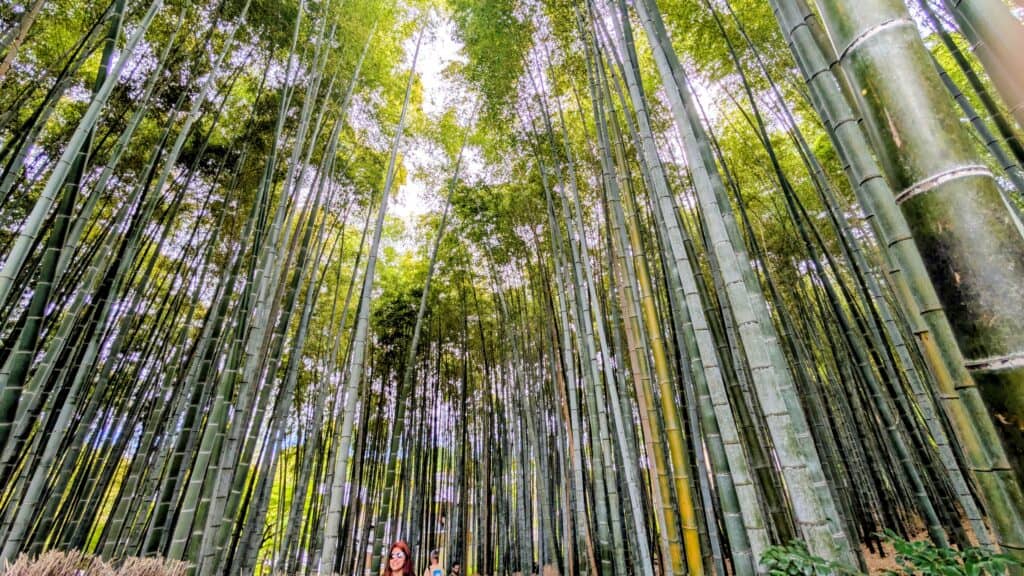
We slept in a bit and headed to Arashiyama. The bamboo grove was right by the entrance—crowded but still beautiful. We also visited Adashino Nenbutsu-ji Temple, a quieter spot with hundreds of stone statues.
In the evening, we stopped at a Yamato Transport location and sent our medium-sized luggage directly to Narita Airport for 3,300 yen. Best decision ever—traveling light for the rest of the trip was a game-changer.
Pro Tip: Most hotels can arrange luggage forwarding. Do it a day or two before you fly out.
Day 11: Hiroshima & Miyajima Island
Highlights: Peace Memorial Museum -> A-Bomb Dome -> Miyajima Island -> Itsukushima Shrine
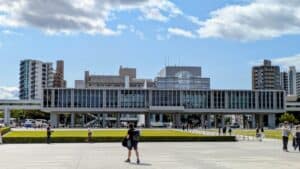
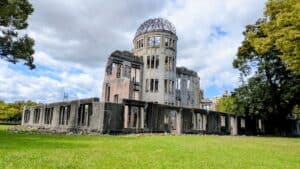
This day was heavy but important. The Hiroshima Peace Memorial Museum was one of the most moving experiences of the trip. We spent 2-3 hours inside, learning about the atomic bombing and its aftermath. The A-Bomb Dome stands as a haunting reminder.
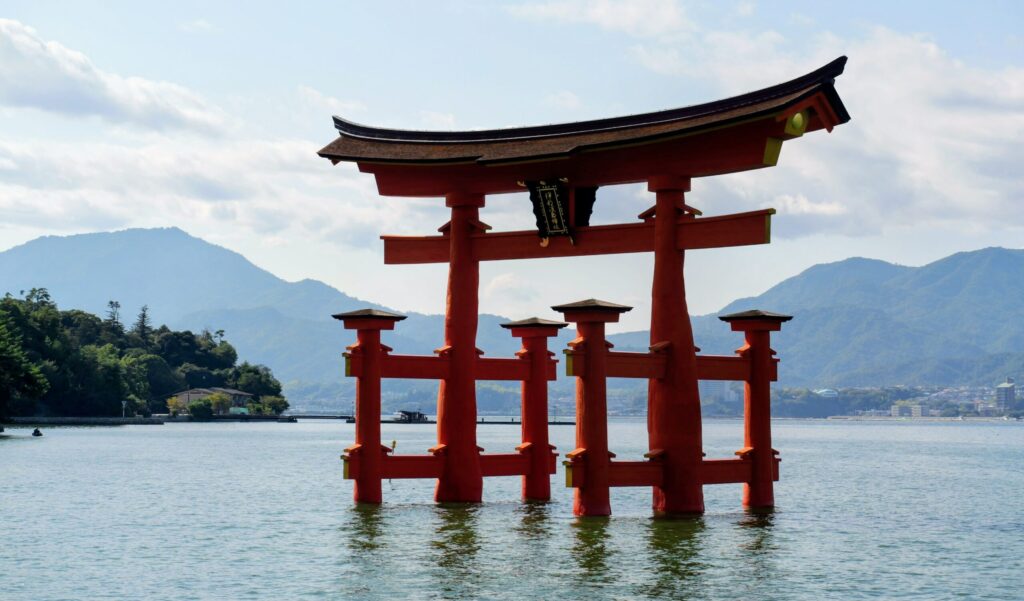
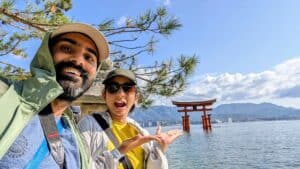
In the afternoon, we took a ferry to Miyajima Island. The floating torii gate at Itsukushima Shrine was stunning (and we were lucky to see it at high tide). We spent 3-4 hours exploring the island before heading back to Hiroshima for dinner and drinks at a rooftop bar.
Day 12: Kamakura & Enoshima
Highlights: Shinkansen to Tokyo (via Kamakura) -> Great Buddha -> Enoshima Island
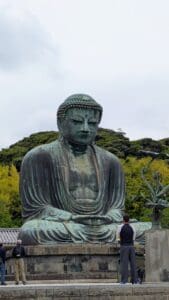
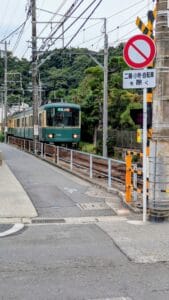
Instead of heading straight back to Tokyo, we made a quick detour to Kamakura to see the Great Buddha (Daibutsu). It was a cloudy day, so the beach wasn’t ideal, but we still took the train to Enoshima Island and explored a bit before returning to Tokyo around 6 pm.
Day 13: Last-Minute Shopping & Departure
We spent the morning shopping in Ueno and Asakusa, picking up souvenirs and snacks. We left for Narita Airport around noon, grabbed some Hokkaido cookies at the airport, and boarded our flight home.
Should You Follow This Itinerary?
There is no such thing as the perfect trip to Japan. This trip was intense—great for us, but maybe not for everyone. If you love being active, packing in sights, and don’t mind early mornings and late nights, you’ll love this route.
If you prefer a slower pace, consider cutting out a few destinations or spending more days in each city. Japan rewards both fast-paced explorers and slow travelers.
Final Thoughts
Japan exceeded every expectation. From peaceful temples to neon-lit streets, serene countryside to sobering history—it’s a country that offers something for every traveler.
We walked over 188 km, took countless trains, ate incredible food, and made memories we’ll never forget. If you’re planning a trip, we hope this itinerary inspires you and helps you plan your own adventure.